Interface Evolution and Its Influence on Transaction Flows and Reward Claims in Competitive League Applications
Written by Nils Bennett · Nov 16, 2026
Interface Evolution and Its Influence on Transaction Flows and Reward Claims in Competitive League Applications
Competitive league applications have undergone substantial interface redesigns since the early 2020s, with developers focusing on streamlined navigation that directly affects how users complete deposits, withdrawals, and reward redemptions during NFL and NBA seasons. These changes emerged as mobile platforms integrated more advanced payment processors and loyalty modules, leading to measurable shifts in completion rates for financial actions according to industry tracking data.
Early Interface Structures and Their Limitations
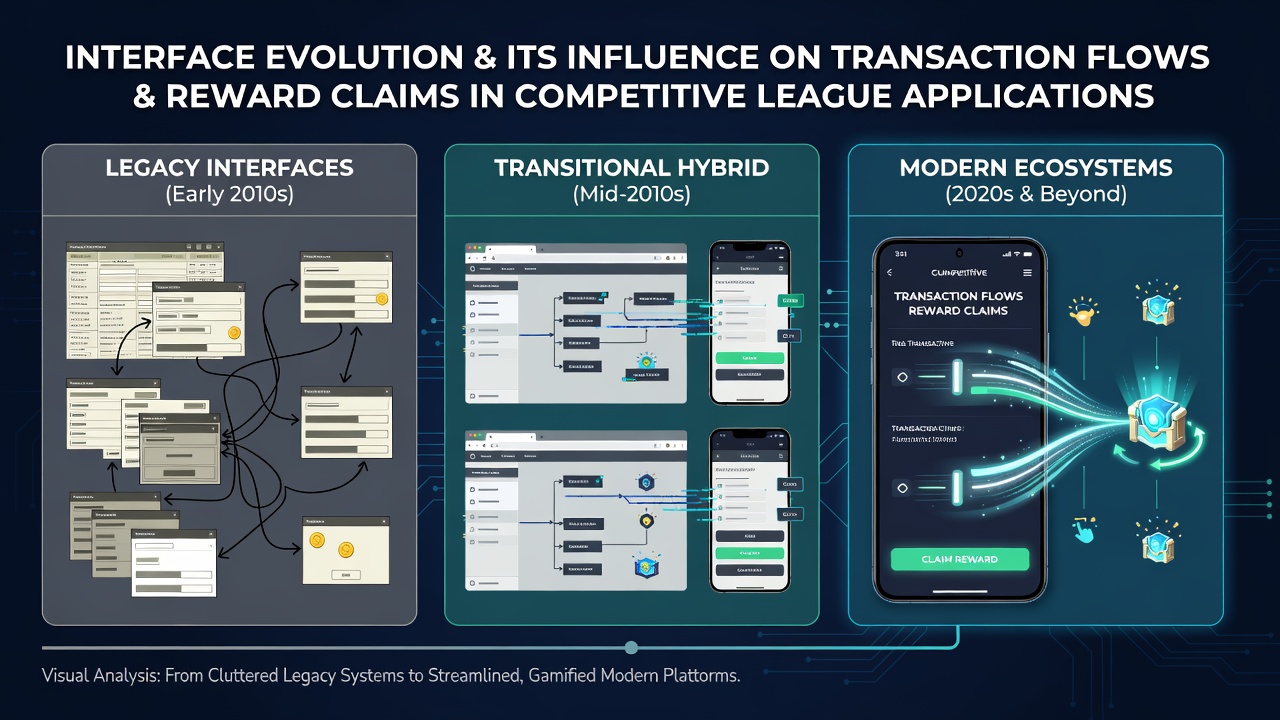
Initial versions of league-focused betting apps relied on layered menu systems that required multiple taps to reach transaction pages, a setup that often interrupted live betting flows during high-stakes NBA playoff games. Observers note that these designs separated reward claim sections from main account dashboards, creating extra steps that extended processing times. Data from platform analytics firms indicates that users in 2023 frequently abandoned reward claims mid-process because the interface did not display eligibility criteria alongside active wagers.
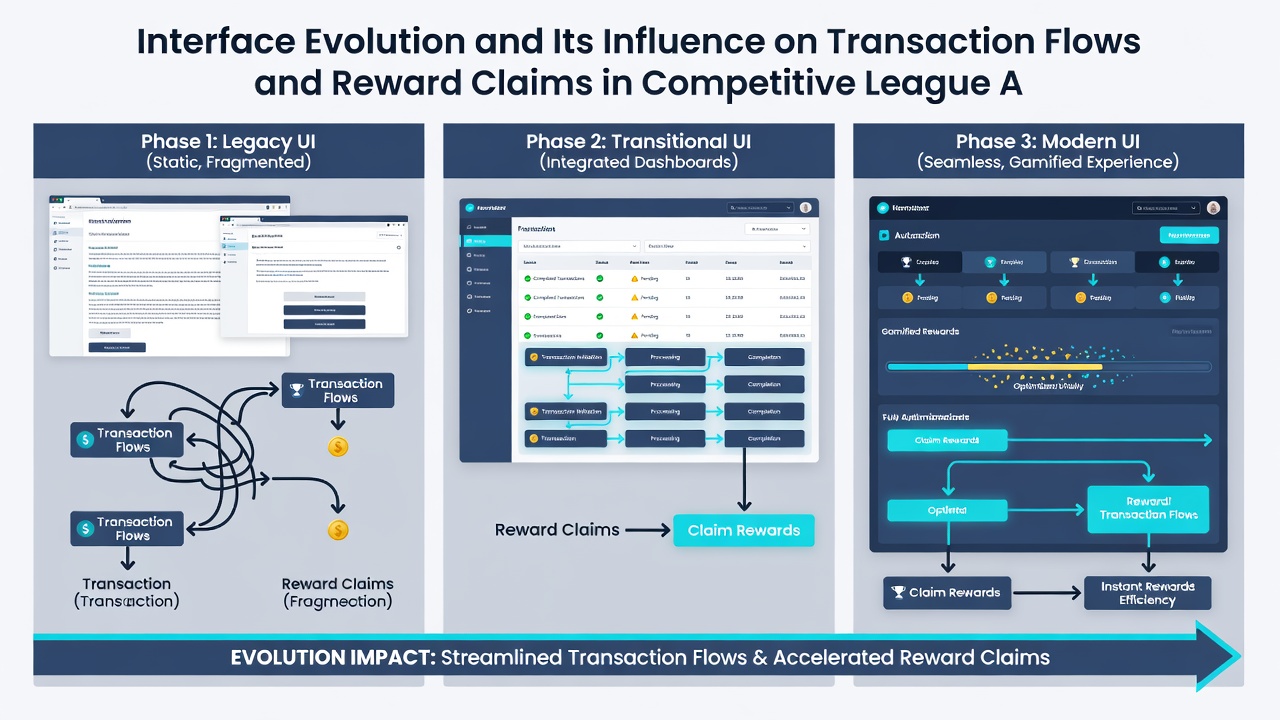
By contrast, updates rolled out in 2024 introduced unified dashboards where transaction histories appeared next to reward progress trackers, reducing navigation depth. Researchers at academic institutions examining user interaction logs found that these consolidated views correlated with higher completion percentages for both deposits and bonus activations across multiple league seasons.
Payment Integration Changes and Transaction Velocity
Interface refinements also incorporated real-time balance updates that sync with external banking partners, allowing users to monitor available funds without leaving the betting screen. This adjustment proved especially relevant during November 2026 when extended NFL schedules overlapped with early NBA campaigns, creating sustained periods of high transaction volume. Payment processors reported that apps adopting these synced displays experienced faster deposit confirmations, as users could verify account status instantly rather than switching between separate windows.
Further modifications included embedded e-wallet selectors that pre-populate based on prior selections, cutting the number of confirmation prompts required for each transfer. Figures from transaction monitoring services reveal that such features shortened average withdrawal times by noticeable margins in competitive league environments, particularly when users claimed tiered rewards tied to accumulated wagers.
Reward Claim Mechanisms and Their Adaptation
Reward systems within these applications evolved alongside interface updates, moving from static pop-up notifications to interactive progress bars embedded within the main betting feed. This placement allowed users to track loyalty milestones while placing live bets, a development documented in reports from gaming research organizations. In practice, the new layout enabled one-tap claims once thresholds were met, eliminating separate menu traversals that previously delayed access to bonus funds.
During peak periods such as November 2026 league matchups, these streamlined claim processes aligned with increased mobile usage, as data from app performance trackers showed elevated engagement with reward features when interfaces minimized friction. Industry reports from groups like the American Gaming Association highlight how such integrations supported sustained user activity across extended competition windows without requiring additional verification steps in most cases.
Cross-Platform Consistency and Regional Adaptations
Developers also addressed variations across device types and operating systems, ensuring that transaction flows remained consistent whether accessed via iOS or Android during live events. Studies conducted by European research centers on digital gambling interfaces found that standardized layouts reduced errors in reward claims for users switching between devices mid-session. These adaptations extended to support for multiple currencies adn regional payment methods, which maintained smooth operations for international participants in league-based applications.
Additional layers of automation appeared in the form of predictive prompts that suggest optimal timing for withdrawals based on reward availability, drawing from historical user patterns. Such tools, integrated into the interface by late 2025, contributed to more predictable transaction timelines according to aggregated platform metrics.
Conclusion
Interface developments in competitive league applications have produced direct effects on transaction efficiency and reward accessibility, with ongoing refinements continuing to shape user interactions in NFL and NBA environments. Data collected through 2026 demonstrates that consolidated designs and embedded tools support faster financial actions while maintaining compliance with varied regulatory frameworks across regions. These patterns indicate sustained emphasis on reducing operational steps in future platform iterations.